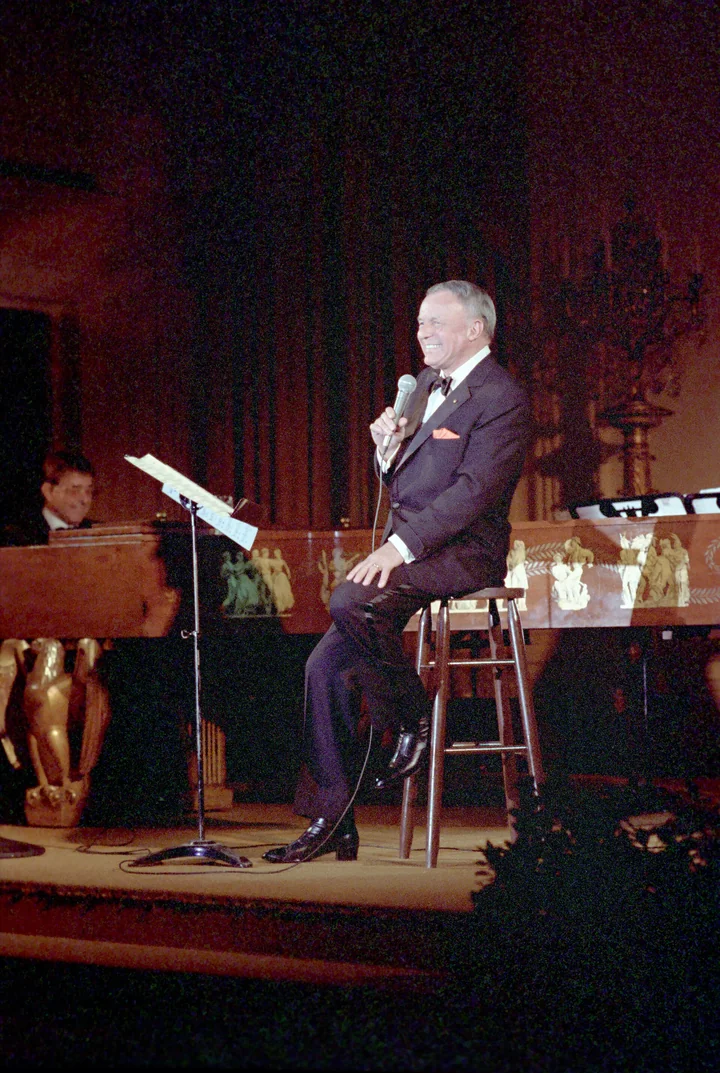
Final in retrospectYoyogi National Gymnasium
Yutaka Ozaki's last concert at Yoyogi National Gymnasium, October 30, 1991
On October 30, 1991, Yutaka Ozaki played the final date of his comeback tour at Yoyogi National Gymnasium in Tokyo, a venue many Japanese still call the Yoyogi Olympic Pool. It turned out to be the last concert of his life. The night closed a run of 55 shows in halls and arenas that had begun at Yokohama Arena in May, and he mixed songs from his 1990 album *Tanjō* ("Birth") with early songs such as "Jūnanasai no Chizu" and "Jūgo no Yoru." The last song he sang was "Dansu Hōru" ("dance hall"), performed only at this final show, the song he had sung at the audition that led to his debut. Ozaki died the following April, at 26, and the recordings and footage from that night were later released.
Performance data
| Date | [4][29][7][10] |
|---|---|
| Venue | Yoyogi National Gymnasium (Tokyo) |
| Event | TOUR 1991 BIRTH ARENA TOUR Yakusoku no Hi THE DAY (TOUR 1991 BIRTH ARENA TOUR 約束の日 THE DAY) [29][11][12] |
| Tour | TOUR 1991 BIRTH [11][12] |
| All dates | UnverifiedThere was also a Yoyogi show on October 25 (track credits of the 2022 live album, Real Sound). For reference only: Wikipedia and a fan-run site list four Yoyogi dates (October 24, 25, 29 and 30) and eight arena shows at three venues. The full schedule is not yet confirmed by official or press sources.[12][39] |
| Category | Final in retrospect |
| Why it ended | Death [7][11][4] |
| Lineup | Yutaka Ozaki [4][29] |
| Attendance | UnverifiedNo official or press figure for the attendance was found. |
| Last song performed | ダンスホール “Dansu Hōru” (Dance hall) [10][6][17] |
| Songs performed | 20 songs (Partially known)See the setlist ↓ |
| Video release | Yes [17][36][24][38] |
About the artist
Yutaka Ozaki was a singer-songwriter, born in Setagaya, Tokyo, on November 29, 1965[1]. He entered Aoyama Gakuin's senior high school in 1981 and that December first took the stage, with an acoustic group called NOA, at Shinjuku Ruido, a live venue in Tokyo. In October 1982 he passed an audition held by CBS/Sony[2], and he made his record debut on December 1, 1983, with the single "Jūgo no Yoru" (roughly, "night at fifteen") and the album Jūnanasai no Chizu ("a seventeen-year-old's map")[3][2]. NHK, Japan's public broadcaster, describes him as an artist who won a charismatic following with songs about the anxieties and conflicts of adolescence[4].
In March 1984 he left high school just before graduating[1], and on March 15, the day of his school's graduation ceremony, he played his debut show at Shinjuku Ruido. In June he toured clubs in six cities starting in Sapporo, and on August 4, during the Atomic Café concert at Hibiya Open-Air Concert Hall, he jumped from a seven-meter lighting rig and broke his left leg. He sang to the end, but every date after that was cancelled[2]. According to the music writer Tomoyuki Mori, success did not come overnight; the turning point was a hall tour from late 1984 into 1985 that won strong reviews[5]. Midway through that 21-city tour, the single "Sotsugyō" ("Graduation") entered the Oricon chart at No. 20 in January 1985, and in March, after the tour, his second album, Kaikisen ("the tropic"), entered at No. 1[2]. Alongside "Sotsugyō," his best-known songs include "Sherī" and "I LOVE YOU"[1].
His summer 1985 tour ended at Osaka Stadium on August 25 before 26,000 people, and on November 14 and 15 he drew 30,000 over two nights at the Yoyogi Olympic Pool. His third album, Kowareta Tobira kara ("from a broken door"), followed on November 28. After a show at Fukuoka Kokusai Center on January 1, 1986, he stopped performing indefinitely, and in May he went to the United States alone[2].
Back in Japan in January 1987, he moved to the label Mother & Children that February[2]. His album Gairoju ("roadside trees") came out on September 1, 1988[2], and on September 12 he played Tokyo Dome in a one-off show timed with it. According to WOWOW it drew 56,000 people, the largest audience of his career, and it remained his only concert there[6].
In 1990 he changed management, and on October 21 he returned to CBS/Sony with the single "LOVE WAY." The album Tanjō ("Birth") followed on November 15, and on December 19 he went independent, setting up his own office, Isotope. In March 1991 "I LOVE YOU" was issued as a single and a fan club was launched[2]. That May he went back on the road for the first time in more than two and a half years[7].
Why this was the last show
His fifth album, Tanjō ("Birth"), came out on November 15, 1990: two CDs, 20 songs, about two hours of music[8]. The BIRTH TOUR of 1991 was a long-awaited comeback after a break of more than two and a half years[7], and it opened at Yokohama Arena on May 20[9]. Extra shows billed as "Yakusoku no Hi THE DAY" (roughly, "the promised day") were added at three venues, and the last of them was October 30 at the Yoyogi Olympic Pool[10]. Together, the nationwide tour and the arena shows came to 55 concerts[11][12].
WOWOW describes Ozaki walking on at Yokohama Arena in a state of extreme nerves and anxiety[10]. Akira Sudo, his longtime producer, recalled in 2012 that he had been worried the opening night might not happen at all. Ozaki was capable of announcing on the day that he would not go on, Sudo said, so on the assumption that he would at least play the first night, Sudo told the crew to film it without telling him. The show was shot with 18 cameras. Sudo added that Ozaki ignored an agreement not to step down from the stage at certain points, and that the crew, caught up in the excitement, did not stop him[13].
The tour then worked its way around Japan's concert halls: Osaka and Kurashiki in June, Shizuoka and Fukuoka in July, Hiroshima and Sapporo in August, Niigata and Nagano in September[12]. The August 27 show in Koriyama, Fukushima, was later combined with an interview with Ozaki in the documentary film Mō Hitotsu no Riariti LIVE + DOCUMENTARY[9][14]. In October he played Nagoya Rainbow Hall on the 13th and Yoyogi on the 25th[12].
A video of the tour, TOUR 1991 BIRTH, came out on March 30, 1992, and in April he finished recording his sixth album, Hounetsu e no Akashi (roughly, "proof of the heat")[2].
The Yoyogi finale had not been billed as a farewell. Ozaki died of pulmonary edema on April 25, 1992, at the age of 26[11][1]. According to WOWOW, the album was about to be released[10]. Sony Music's chronology lists the cancellation of a planned "TOUR '92 Hounetsu e no Akashi" under June 10, 1992[2]. Sony Music, his label, says the BIRTH TOUR became his last concert tour only in retrospect[7], and NHK presents the October 30 concert as the last of his lifetime[4].
What is known about the day
The Yoyogi Olympic Pool, as the venue is commonly called, is the First Gymnasium of the Yoyogi National Stadium complex[15][12]. It was built for the 1964 Tokyo Olympics, where it hosted the swimming and diving events[16]. Ozaki had been there before: on November 14 and 15, 1985, his LAST TEENAGE APPEARANCE tour drew 30,000 people over two nights, and the concert was broadcast on the Fuji TV network on January 14, 1986, as Hayasugiru Densetsu ("a legend too soon")[2]. In 1991 he had also played there five days earlier, on October 25, and a recording of "COOKIE" from that night later appeared on a live album[12]. October 30 was the last of the "Yakusoku no Hi THE DAY" shows and the final date of the tour that had begun in May[10][9].
The video release Yakusoku no Hi LAST APPEARANCE Kanzenban (complete edition) contains 20 songs from that night and opens with "FIRE"[17]. We have not found an official source that says whether its running order matches the concert exactly.
Ten of the 20 songs come from Tanjō, among them "FIRE," "Rozāna," "COOKIE" and "LOVE WAY"[8]. Four come from his debut album: "Jūnanasai no Chizu," "Boku ga Boku de Aru Tame ni" ("so that I can be myself"), "I LOVE YOU" and "Jūgo no Yoru"[18]. When NHK broadcast the footage in 2022, it named those four songs and billed the program as a chance to hear Ozaki's "last singing voice"[19][4].
According to WOWOW, the last song Ozaki sang that night was "Dansu Hōru," which he performed only at this final show[10]; ORICON NEWS also reports it as a song played on that day only[9]. The video closes with it[17]. The song had appeared on his 1985 album Kaikisen ("the tropic")[20]. According to the writer Takashi Honda in Re:minder, it grew out of what Ozaki saw in the discos of Kabukicho, and before his debut he sang it at an audition held by CBS/Sony, the audition that led to his record deal[21].
The concert was recorded and filmed. Two live albums, Yakusoku no Hi Vol. 1 and Vol. 2, with 13 songs between them, were released on May 10, 1993[22][23], followed by a video, Yakusoku no Hi ~ Last Appearance, with 14 songs, on November 29 that year[24]. When the video came out on DVD on July 5, 2000, six previously unreleased songs, including "Rozāna," were added, and it was billed as a complete edition[25][17].
What the show left behind
On April 30, 1992, more than 40,000 fans stood in the rain at a memorial at Gokokuji temple in Bunkyo, Tokyo[2][1]. Hounetsu e no Akashi came out on May 10 along with the single "Yogoreta Kizuna" (roughly, "soiled bonds") and sold out on the day[2]; according to the reference work Shinsen Geinō Jinbutsu Jiten, it went on to sell more than a million copies[1]. That year the Japan Record Awards gave him a special memorial prize from the judging committee[1].
In 2012, the footage of the tour's opening night became a film, Fukkatsu Ozaki Yutaka YOKOHAMA ARENA 1991.5.20 ("revival"), shown in cinemas across Japan for two weeks from December 1. At a standing-room preview in Tokyo on November 29, Ozaki's birthday, the audience ranged, according to Eiga.com, from fans who had been at his concerts to young people who had not yet been born when he died. Sudo told the audience that, for him and those around Ozaki, he would always be a superstar[13]. In 2013, for the 20th anniversary of his death, the Tokyo Dome concert LIVE CORE was released in a complete 26-song version, re-edited by Akira Sato, who had directed his videos during his lifetime, with the audio remixed by Sudo[6]. From January 3, 2020, a film, Ozaki Yutaka o Sagashite ("looking for Yutaka Ozaki"), drawn from some 400 hours of footage of his concerts and daily life from his debut to his early twenties, including Shinjuku Ruido, Osaka Stadium and the Yoyogi gymnasium, ran in cinemas across Japan for two weeks[26].
In 2022, 30 years after his death, a run of releases and events returned to the last tour. On March 23 came LAST TOUR AROUND JAPAN YUTAKA OZAKI, a two-CD set of the best takes from all 55 shows, and an exhibition, OZAKI30 LAST STAGE, opened at the Matsuya Ginza department store in Tokyo, showing items such as the setlists used on stage[11]. Mori wrote that the album lets listeners feel directly the heat, intensity and loneliness Ozaki gave off in 1991[5]. In 2023, for the 40th anniversary of his debut, Sony Music posted his official music videos on YouTube for the first time[3], and in September 2026, marking 60 years since his birth, official YouTube and TikTok accounts were launched to post music videos and live footage[27].
The footage from October 30 has kept returning to television. On April 23, 2022, NHK BS Premium broadcast a remastered version with picture quality equivalent to 4K[19][4]. It was shown again on NHK BS4K on December 31 that year[28] and on NHK BS on January 24, 2025[29][30]. In October 2025, the satellite broadcaster WOWOW announced a series built around the BIRTH TOUR to mark what would have been Ozaki's 60th birthday, with three programs: the Yokohama opening night, the Koriyama documentary and the Yoyogi finale[7][14]. On January 18, 2026, it aired the Yoyogi show under the title Ozaki Yutaka Yakusoku no Hi 1991[6][31].
Songs from that night have also been taken up by other artists. On the 2004 tribute album BLUE ~A TRIBUTE TO YUTAKA OZAKI, Cocco sang "Dansu Hōru," Mr.Children sang "Boku ga Boku de Aru Tame ni" and Hikaru Utada sang "I LOVE YOU"[32][33]. On a second tribute album, GREEN ~A TRIBUTE TO YUTAKA OZAKI, CasualSnatch covered "FIRE," the song that opens the video of the Yoyogi show[33][17]. Mori notes that "I LOVE YOU" has also been covered by Keisuke Kuwata, Koji Tamaki, ATSUSHI and Tsuyoshi Domoto, among others, and that in February 2022 it came first in a ranking of love songs chosen by fellow artists on the TV music show Music Station[5].
Singers who grew up with his records have described what they took from him. Hyui Ishizaki, a singer-songwriter who debuted in 2012, told Pen magazine that he first heard Ozaki in a TV drama as a schoolboy, and that a concert he later saw on an NHK special became his first real experience of music. What influenced him most, he said, was Ozaki's way of singing, laying his feelings bare. For lyrics, he named "COOKIE," which Ozaki also sang on October 30, 1991, as a favorite. Ishizaki was discovered by Sudo, Ozaki's producer[34]. In 2017 the singer Minami, then 20, told the J-WAVE radio show SONAR MUSIC that hearing "I LOVE YOU" for the first time was what made her start making music[35].
The last song at Yoyogi on October 30, 1991, was the one Ozaki had sung before he ever made a record. The night survives on film and on record, and more than 30 years later it is still being broadcast in remastered form.
Context for readers
Yutaka Ozaki. He released 71 songs during his lifetime[15]. In 2023, it was announced that Mō Hitotsu no Riariti LIVE+DOCUMENTARY ("another reality"), a film of the same 1991 tour with interviews, would be sold as a download on iTunes worldwide, except in some regions[3].
Yoyogi National Gymnasium. Designed by the architect Kenzo Tange for the 1964 Tokyo Olympics. Because its First Gymnasium hosted the swimming and diving events, it is still widely known in Japan as the Yoyogi Olympic Pool. It hosted handball at the Tokyo 2020 Olympics and was designated an Important Cultural Property in 2021[16].
NHK and WOWOW. NHK is Japan's public broadcaster. WOWOW is a Japanese subscription satellite broadcaster.
Names and titles. Japanese names in this article are given in Western order (given name first). Japanese song and album titles are romanized, with a rough meaning in parentheses; these are not official English titles.
Watch / buyPR
We may earn a commission if you buy through these links. Details

約束の日 LAST APPEARANCE 完全版
20 songs: the 1993 video plus six previously unreleased songs, including "Rozāna," billed as a complete edition. Whether it holds every song of the concert in running order is not officially stated.


約束の日 Vol.2
6 songs from this concert, from "Freeze Moon" to "Jūgo no Yoru"; "Dansu Hōru" is not included.
Supported by Rakuten Developers
Setlist
20 songs · Partially known Unverified[17][25][24][22][23]Main set Last song
- FIRE
- Driving All Night
- 十七歳の地図 “Jūnanasai no Chizu” (A seventeen-year-old's map)
- Scrambling Rock'n'Roll
- 僕が僕であるために “Boku ga Boku de Aru Tame ni” (So that I can be myself)
- ロザーナ “Rozāna” (Rossana)
- 虹 “Niji” (Rainbow)
- きっと忘れない “Kitto Wasurenai” (I surely won't forget)
- COOKIE
- 卒業 “Sotsugyō” (Graduation)
- LOVE WAY
- KISS
- RED SHOES STORY
- Freeze Moon
- 永遠の胸 “Eien no Mune” (Eternal heart)
- 太陽の破片 “Taiyō no Kakera” (Fragments of the sun)
- 誕生 “Tanjō” (Birth)
- I LOVE YOU
- 15の夜 “Jūgo no Yoru” (Night at fifteen)
- ダンスホール “Dansu Hōru” (Dance hall)
Another final curtain
More nights that no one knew would be the last.
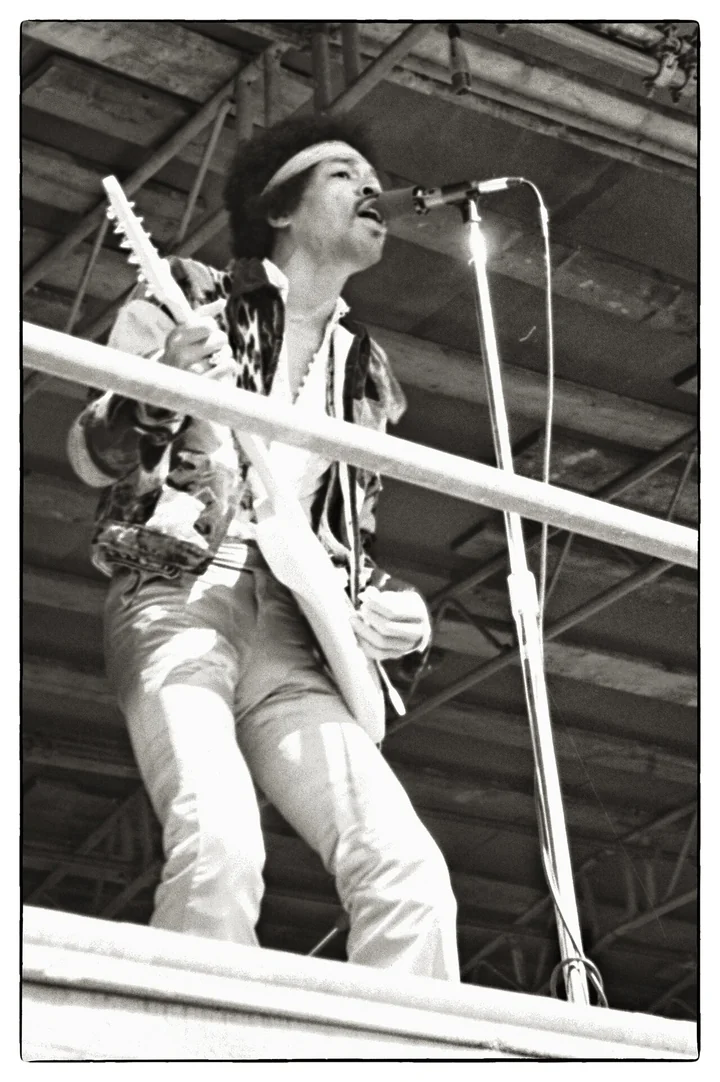 Photo: Detlef Hansen / CC BY-SA 4.0
· Flügge beach
 Jimi Hendrix
's last concert: Love & Peace Festival, Isle of Fehmarn, September 6, 1970
Last song performed “Voodoo Child (Slight Return)”
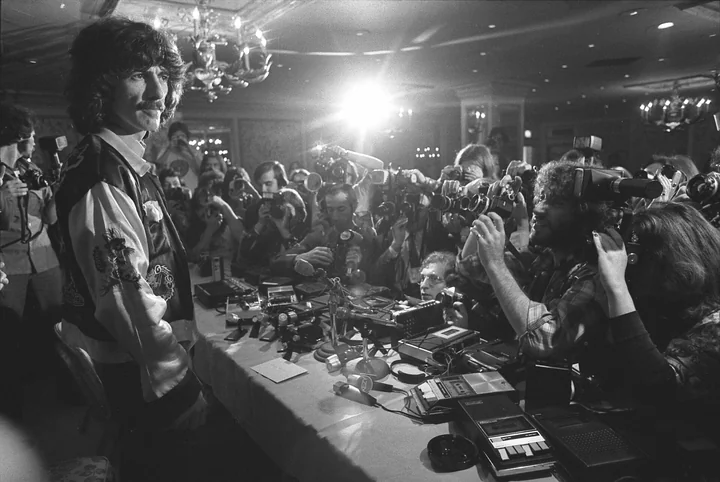 Photo: Tony Barnard, Los Angeles Times / CC BY 4.0
· Royal Albert Hall
 George HarrisonNEW
George Harrison's last full concert: Royal Albert Hall, London, April 6, 1992
Last song performed “Roll Over Beethoven”
After the last stage
Our sister site LAST DAYS records the final years and days of Yutaka Ozaki.
- Active years (December 1, 1983 – October 30, 1991)
- Final show
- Yutaka Ozaki dies at the age of 26.1 year later
- The live albums Yakusoku no Hi Vol. 1 and Vol. 2, recorded at this concert, are released (13 songs in all).2 years later
- The concert video Yakusoku no Hi ~ Last Appearance (14 songs) is released on LaserDisc and VHS.2 years later
- The DVD Yakusoku no Hi LAST APPEARANCE Kanzenban is released, adding six previously unreleased songs including "Rozāna" (20 songs).9 years later
- The tribute album BLUE ~A TRIBUTE TO YUTAKA OZAKI is released, with Cocco singing "Dansu Hōru," Mr.Children "Boku ga Boku de Aru Tame ni" and Hikaru Utada "I LOVE YOU."13 years later
- A live video of "I LOVE YOU" premieres on YouTube for a limited time, the first official footage of Ozaki posted online.31 years later
- The live album LAST TOUR AROUND JAPAN YUTAKA OZAKI, drawn from all 55 shows of the two 1991 tours, is released; it includes "COOKIE" from the October 25 Yoyogi show. The exhibition OZAKI30 LAST STAGE opens in Tokyo the same day.31 years later
- NHK BS Premium broadcasts a remaster of this concert's footage with picture quality equivalent to 4K.31 years later
- For the 40th anniversary of his debut, Sony Music begins posting official music videos on YouTube, the first time his official videos appear there.32 years later
- NHK BS airs the remastered concert again.34 years later
- WOWOW announces a series for Ozaki's 60th birth anniversary, including the first (Yokohama Arena) and last (Yoyogi) shows of the 1991 BIRTH TOUR.34 years later
- WOWOW airs the Yoyogi finale as "Ozaki Yutaka Yakusoku no Hi 1991."35 years later
Sources
39 sources
- 尾崎豊 — コトバンク(共同通信ニュース用語解説、新撰 芸能人物事典 明治~平成、20世紀日本人名事典)
- プロフィール | 尾崎豊 — ソニーミュージック(尾崎豊 オフィシャルサイト)
- 尾崎 豊レコードデビュー40周年企画で、デビューアルバム復刻や「15の夜」「I LOVE YOU」MVをYouTube公開 — BARKS, October 27, 2023
- “尾崎 豊 約束の日 1991”リマスター版 — NHK(番組ページ)
- 尾崎豊、貴重な初出し音源を含むライブアルバム。30周忌に問いかける、伝説のアーティストが残したもの — THE FIRST TIMES(森朋之), March 24, 2022
- 尾崎豊WOWOW特集!来年2月には父・尾崎豊の楽曲のみで届ける尾崎裕哉の東京公演の模様を、3月には尾崎豊にとって最初で最後の東京ドーム公演となった「LIVE CORE」を完全版として放送・配信決定! — 株式会社WOWOW(PR TIMES), December 9, 2025
- 尾崎豊生誕60年を記念してWOWOWで貴重なライブ映像の放送が決定! — Sony Music, October 15, 2025
- 尾崎豊/誕生 — タワーレコード オンライン
- 尾崎豊さん、生誕60年を記念して生涯最後のコンサートツアー『BIRTH TOUR』がWOWOWで放送決定 名曲の数々や貴重なインタビュー映像も収録 — ORICON NEWS, October 15, 2025
- 生誕60周年を迎える伝説のシンガー・ソングライター、尾崎豊。今も語り継がれるラストツアー「BIRTH TOUR」を軸とした連続特集が、WOWOWで誕生月の11月から始動! — 株式会社WOWOW(PR TIMES), October 15, 2025
- 尾崎豊の生前ラストツアー音源収めたライブアルバム発売、貴重な資料多数の展覧会開催 — 音楽ナタリー, January 24, 2022
- 尾崎豊、生前最後の全国ツアー初出音源収録したライブアルバムリリース 収録曲&ジャケットデザイン公開 — Real Sound, February 4, 2022
- 尾崎豊のプロデューサーが伝説のライブの舞台裏を告白 — 映画.com, November 30, 2012
- 尾崎豊、生誕60年を記念記念してWOWOWでライブ映像放送決定 — BARKS, October 15, 2025
- 尾崎豊、生誕60年記念してWOWOWで貴重なライヴ映像放送決定。生涯最後のコンサート・ツアー軸とした連続特集 — TOWER RECORDS ONLINE, October 16, 2025
- 国立代々木競技場の歴史 — 日本スポーツ振興センター(国立代々木競技場)
- 尾崎豊/約束の日 ラスト・アピアランス完全版 — タワーレコード オンライン
- 尾崎豊/十七歳の地図 — タワーレコード オンライン
- 尾崎豊:“生前最後”を臨場感たっぷりに 1991年“伝説のコンサート”リマスター版放送 — MANTANWEB, April 23, 2022
- 尾崎豊/回帰線 — タワーレコード オンライン
- 音楽が聴こえてきた街:尾崎豊の見た渋谷の夕陽と歌舞伎町のダンスホール — Re:minder(本田隆), March 27, 2019
- 尾崎豊/約束の日 vol.1 — タワーレコード オンライン
- 尾崎豊/約束の日 Vol.2 — タワーレコード オンライン
- 尾崎豊/約束の日~ラスト・アピアランス — タワーレコード オンライン
- 約束の日 LAST APPEARANCE 完全版 — 楽天ブックス
- 「この国は今、自由ですか?」自由を歌い続けた尾崎豊が、令和に自由を歌えない!?『尾崎豊を探して』メッセージ広告 都内15ヶ所で限定公開 — 映画の時間(ジョルダン), November 25, 2019
- 尾崎豊、生誕60周年を記念して公式YouTubeチャンネル&TikTokアカウントが開設 — THE FIRST TIMES, September 12, 2026
- NHK BS4K『伝説のコンサート「“尾崎 豊 約束の日 1991”リマスター版」』12月31日再放送 — amass, December 27, 2022
- 尾崎豊、生前最後のコンサート「TOUR 1991 BIRTH ARENA TOUR 約束の日 THE DAY」映像を最新リマスター版で1月24日18時45分より放送 — TOWER RECORDS ONLINE, January 24, 2025
- NHK BS『伝説のコンサート「“尾崎 豊 約束の日 1991”リマスター版」』1月24日放送 — amass, January 17, 2025
- 尾崎豊 約束の日 1991 — WEBザテレビジョン(番組表)
- 尾崎豊トリビュート盤にミスチル、宇多田ヒカル、岡村靖幸他参加 — TOWER RECORDS ONLINE, January 19, 2004
- トリビュートアルバム収録<曲順>発表!! — Sony Music, February 12, 2004
- 愛や反抗を歌にしても、 どこか切ないんです──人気シンガーソングライター石崎ひゅーいに影響を与えた、尾崎豊の存在 — Pen Online, May 15, 2021
- 尾崎豊に影響を受けた20歳の女性シンガー — J-WAVE NEWS, December 28, 2017
- 尾崎豊/約束の日~ラスト・アピアランス — タワーレコード オンライン
- 尾崎豊、初の公式ライブ映像「I LOVE YOU」期間限定公開へ — Billboard JAPAN, March 18, 2022
- 約束の日 LAST APPEARANCE 完全版 — Billboard JAPAN(商品ページ)
- 約束の日 (アルバム) — Wikipedia(日本語)
Revision history
- Page created
- Expanded the lead and the account of the day, added his career to the artist profile, and added the tour's opening night and route, the posthumous album and memorial, later films and releases, and comments from younger artists
 Hibari Misora